International Trade
Strategic Trade Advisor
International trade is the lifeblood of the global economy, but it is far more complex than a simple exchange of goods for currency. It involves a sophisticated lifecycle that includes sourcing, physical logistics, quality inspection, and the critical layer of trade finance.
Success in global trade requires the ability to navigate varying technical standards, volatile commodity prices, and shifting geopolitical buffer zones. From understanding 'Contango' in storage to leveraging 'Letters of Credit' for security, every step in the trade flow must be calculated for both efficiency and resilience.
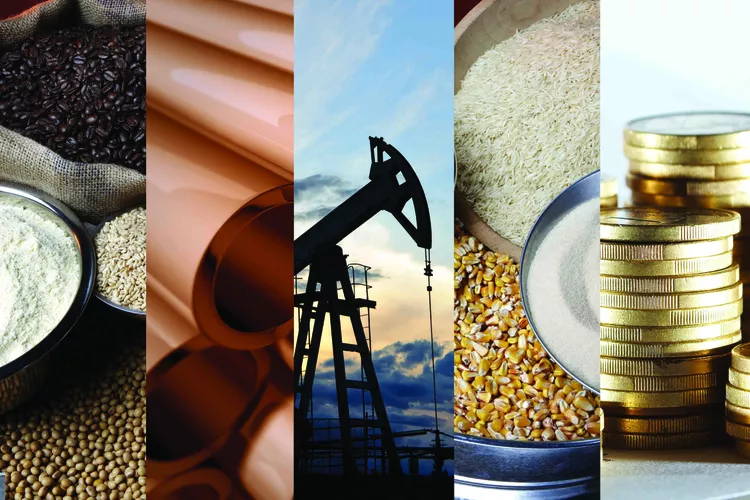
The Trade Lifecycle Complexity
Sourcing is just the beginning. The real value is created in the 'Origination' phase—identifying producers who meet strict ESG (Environmental, Social, and Governance) and technical standards required by global buyers.
Trade finance is the lubricant of the system. Without robust credit facilities and mathematically-secured settlement layers, the velocity of global trade would grind to a halt in high-friction corridors.
International trade is the ultimate test of an organization's operational precision. By mastering the trade lifecycle, companies can unlock global arbitrage opportunities and build a more durable presence in the world's most critical markets.
1Trade lifecycle
- International trade is the lifeblood of the global economy, but it is far more complex than a simple exchange of goods for currency. It involves a sophisticated lifecycle that includes sourcing, physical logistics, quality inspection, and the critical layer of trade finance.
2Sourcing / origination
- The purchase, sometimes the production, or cooperating in the production of commodities. This step often requires commodity traders to have agents in the areas of production, particularly in the case of rare commodities or speciality products such as coffee or cocoa.
3Purchase and sale
- Typically FOB purchase and CIF sale (see Incoterm definitions). Purchase and sale operations usually involve financing the transactions, organising the transport and managing the associated risks.
4Transport and shipping
- Typically by ship: tanker, bulk carriers or -increasingly- containers. Ships can be chartered or shipping can be done using container lines.
5Storage and market structure
- Traders transform commodities in time by storing them – purchasing them now and keeping them for future sale or delivery. Therefore they own or operate storage facilities, tanks and the like, sometimes going as far as chartering ships for floating storage.
- This is determined by market structure: is the future price of a commodity greater or smaller than its spot price? If greater: contango – it pays to purchase, store and sell at a later date. If smaller: backwardation; it pays to run down stocks and sell them spot.
- Importantly, no single trader is ever capable of storing a substantive share of the deliverable supply and so market manipulations are nearly impossible.
6Processing
- Traders can transform commodities in form by processing them: distilling crude oil in a refinery to create distillates (‘products’), crushing oilseeds in a mill to produce oil and then sell it, or purchasing ore and selling steel, organizing its transformation in the process.
7Inspection & Certification
- Modern commodity trading requires that quality and nature of goods remain constant and known at all times. To this end, traders employ inspection companies which assess and test cargos at ports, for example to determine compliance with phytosanitary standards. In parallel, certification organisations are increasingly called upon to verify that commodities comply with e.g. fairtrade rules.
8Trade financing
- Traders are usually highly leveraged as a result of the low margin and high volume nature of the business and often rely on banks to provide the funding necessary to strike deals. Given the specificities of the various commodity markets and their different risk profiles, trade finance specialists and traders tend to work closely together. In many ways, providers of trade finance are amongst the trader’s most important stakeholders.
9Commodity trading
- Commodity traders engage in two types of trade: physical trading and paper trading. While physical commodity trading requires traders to engage in a number of different actions (as describe din this section), “paper” traders only focus on managing the financial risks associated with trading commodities, typically through exchanges.
- paper traders play an important role in the functioning of markets as they bring a significant of liquidity to commodity markets, but can have an important impact on price variations by amplifying price movements, particularly if a given product is actively traded.
10Hedging and risk management
- Managing the financial risks associated with commodity trading is a key function within commodity trading firms. Traders hedge their exposure to risk by buying financial products (such as options). Companies have group-wide policies in place defining the amount of risk that they are willing to take on.
11Asset acquisition
- Besides trading commodities, trading companies can acquire assets, either “upstream” in which case they buy mines, oil producing assets or agricultural land or “downstream” for example by purchasing storage facilities, refineries, processing plants and distribution networks.
Key Analysis Themes
Strategic Takeaway
Trade Performance Index
Global Challenges
- 01Mitigating counterparty risk in emerging market settlements
- 02Managing the logistics of diverse and perishable cargo
- 03Ensuring regulatory compliance across conflicting trade blocs
- 04Hedging against extreme commodity price volatility
Expert Advisory
Navigate complex trade corridors with institutional-grade intelligence and tactical execution.
Schedule BriefingKey Analysis Themes
Trade Performance Index
Global Challenges
- 01Mitigating counterparty risk in emerging market settlements
- 02Managing the logistics of diverse and perishable cargo
- 03Ensuring regulatory compliance across conflicting trade blocs
- 04Hedging against extreme commodity price volatility
Expert Advisory
Navigate complex trade corridors with institutional-grade intelligence and tactical execution.
Schedule BriefingKey Analysis Themes
Trade Performance Index
Global Challenges
- 01Mitigating counterparty risk in emerging market settlements
- 02Managing the logistics of diverse and perishable cargo
- 03Ensuring regulatory compliance across conflicting trade blocs
- 04Hedging against extreme commodity price volatility
Expert Advisory
Navigate complex trade corridors with institutional-grade intelligence and tactical execution.
Schedule Briefing